OLA Verde was established in response to the planet’s current triple environmental crisis: climate change, biodiversity loss, and pollution. Our mission is to accelerate the urgent transition in Latin America and the Caribbean toward sustainable development. Drawing on data and findings from both national and international organizations, OLA Verde aims to implement immediate and tangible actions to address these interconnected crises across the region. To achieve this, we focus on the design and implementation of evidence-based environmental policies.
Climate Change
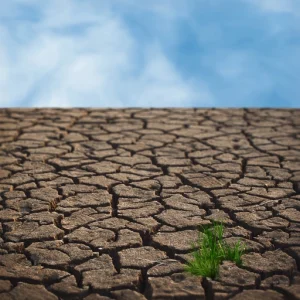
Climate change is the most pressing crisis currently facing humanity. It refers to long-term shifts in temperatures and weather patterns that, over time, are expected to radically transform the ecosystems that sustain life on Earth.
Environmental Pollution
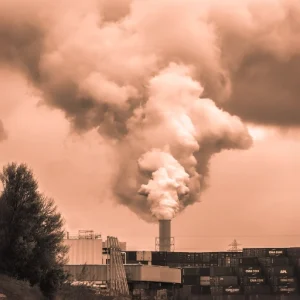
Pollution of air, water, and soil with toxic substances, plastics, and industrial and agricultural waste, combined with limited access to clean drinking water and sanitation, severely impacts human health and ecosystems.
Biodiversity Loss
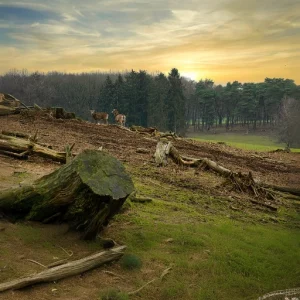
Biodiversity loss affects animals, plants, and entire ecosystems. This decline is driven by multiple factors, including overexploitation of natural resources, habitat degradation, pollution, invasive species, and climate change.
Discover Our “Saving Lake San Pablo” Initiative
At OLA Verde, we are leading a deep, regenerative, and participatory intervention that brings together science, community, technology, and culture. Our goal is to transform Lake San Pablo into a model for ecological restoration, green economy, and responsible tourism. A self-sustaining environmental center will serve as the heart of this transformation.
Responsible and Regenerative Tourism
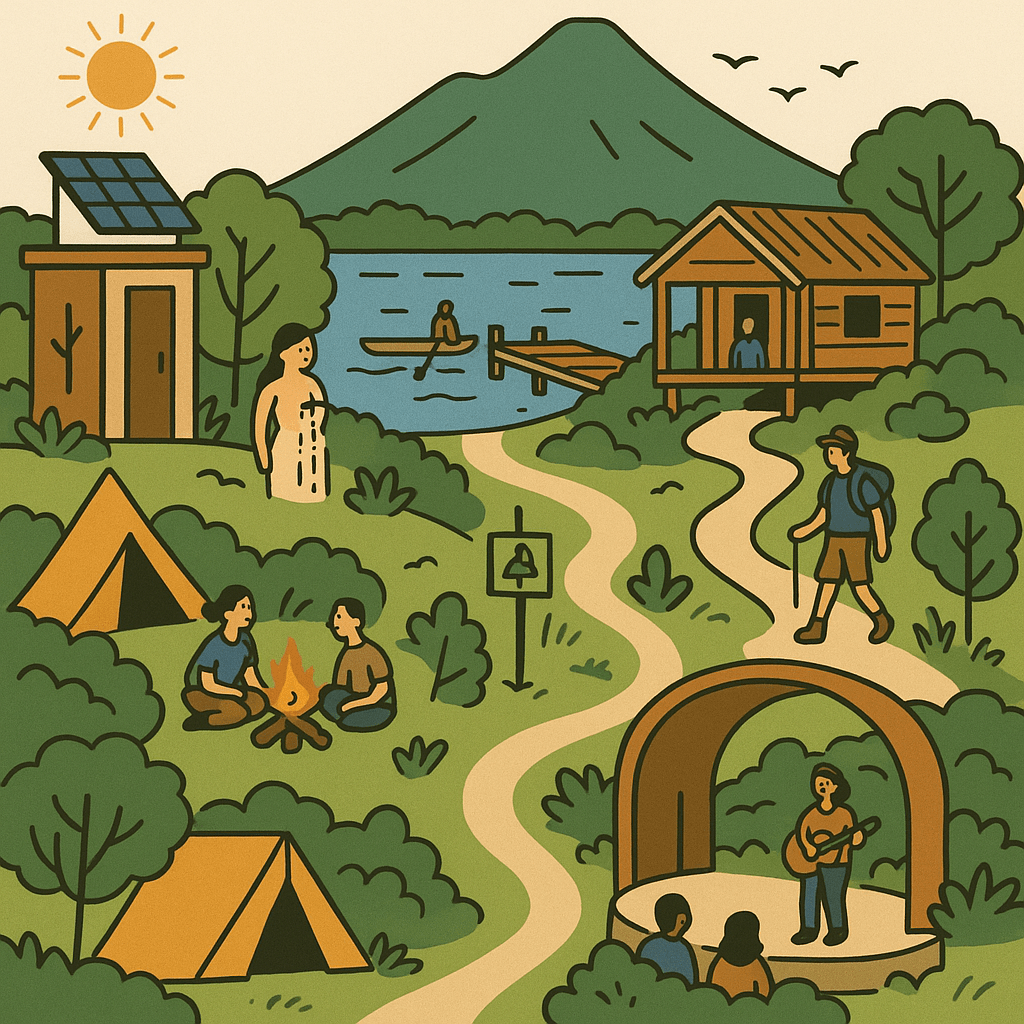
Ecotourism will serve as a tool to educate, inspire, and provide financial sustainability for the project. The park will feature eco-friendly single-family cabins, camping areas equipped with dry toilets and solar showers, a dock for recreational water activities, interpretive trails, an open-air amphitheater for concerts, and a visitor center.
Clean Energy and Self-Sufficiency
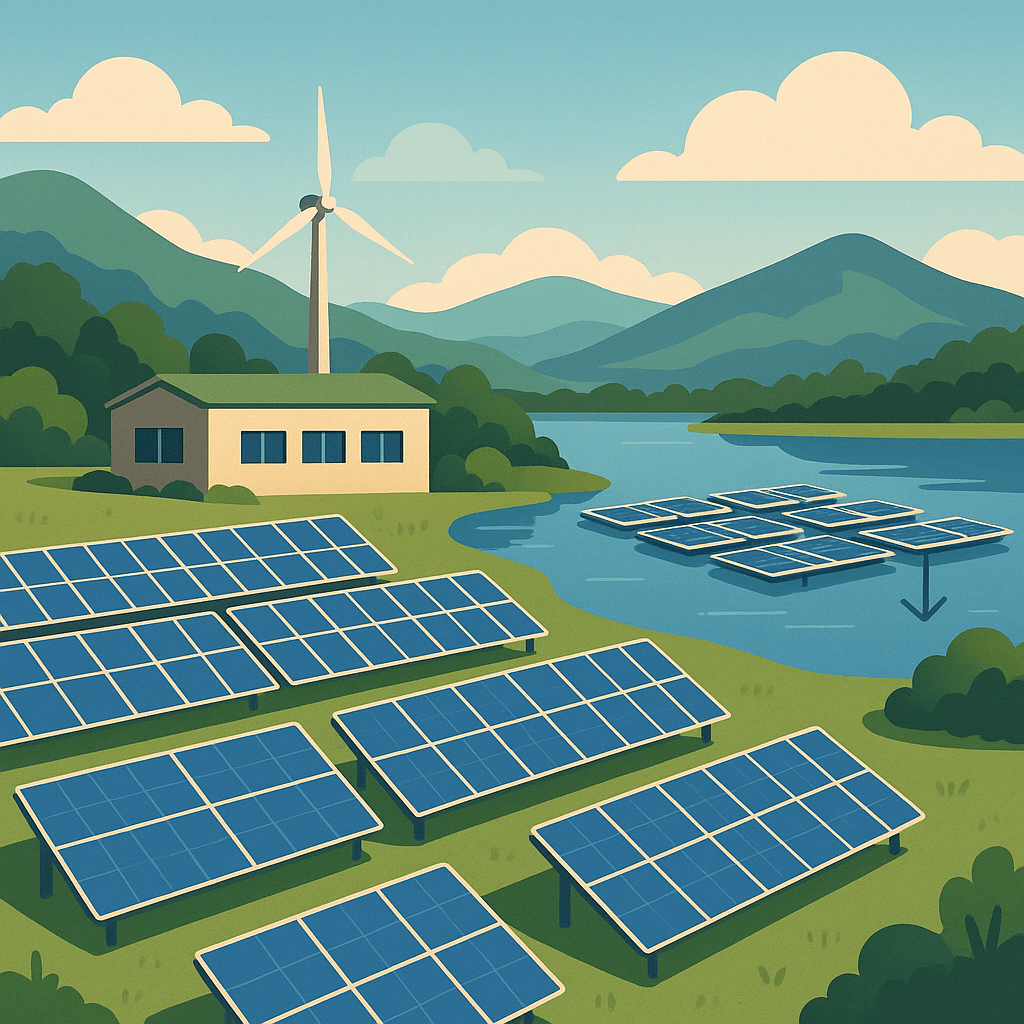
The park will serve as a functional model for energy transition. In the first phase, one hectare of land will be allocated for the installation of a ground-mounted solar photovoltaic plant, which will supply clean energy to power the entire environmental center.
Environmental Restoration and Capacity Building
All funds raised—whether through donations, revenue from ecotourism, rental or adoption of spaces, media partnerships, or international cooperation—will be primarily allocated to ecosystem restoration efforts and applied scientific research. These actions will be developed in collaboration with academic institutions, ensuring that interventions are evidence-based and aligned with global best practices.
The MCC Carbon Clock shows how much CO2 can be emitted into the atmosphere to limit global warming to a maximum of 1.5°C and 2°C, respectively. With just one click, you can compare the estimates for both temperature targets and see how much time remains under each scenario.